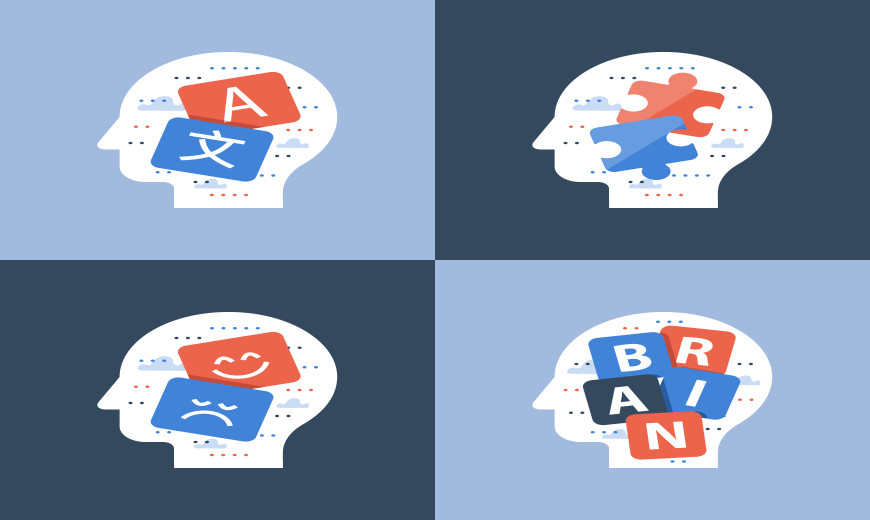
Language learning games are not just a fun distraction; they are a powerful tool that can transform the way we acquire new languages. By engaging multiple senses and encouraging active participation, these games make the learning process more dynamic and effective.
Based on our decade-long experience in the language learning field, we have observed that traditional methods often fall short in maintaining learner engagement. Language learning games, however, offer an interactive approach that captivates learners and enhances retention.
After following market trends and innovations for the last decades, it is clear that incorporating games into language education is not merely a trend but a necessity. These games provide a unique blend of entertainment and education, making them an indispensable part of any language learning strategy.
Pro Tip
Integrate Language Learning Games into Your Daily Routine: By making games a regular part of your study schedule, you can reinforce language skills in a fun and engaging way, ensuring consistent progress.
Important
While language learning games are highly effective, it's crucial to choose games that align with your current proficiency level. Playing games that are too advanced can lead to frustration, while those that are too simple may not provide enough challenge to facilitate growth.
Quick Guide
- 1. Identify Your Language Level: Assess your current proficiency to select appropriate games.
- 2. Choose the Right Game: Look for games that target your specific language goals, such as vocabulary building or grammar practice.
- 3. Set a Regular Schedule: Dedicate specific times each week to play these games, ensuring consistent practice.
Understanding the Role of Language Learning Games
Language learning games serve as a bridge between theoretical knowledge and practical application. They provide a safe environment for learners to experiment with new vocabulary and grammar structures without the fear of making mistakes. This experiential learning approach is supported by research in cognitive psychology, which emphasizes the importance of active engagement in the learning process.
Games also cater to different learning styles, making them accessible to a wide range of learners. Visual learners benefit from games with rich graphics and imagery, while auditory learners thrive in games that incorporate sound and music. Kinesthetic learners, on the other hand, engage more effectively with interactive games that require physical movement or manipulation of objects.
Moreover, language learning games often incorporate elements of competition and reward, which can significantly boost motivation. The desire to achieve high scores or unlock new levels encourages learners to practice more frequently and with greater enthusiasm. This gamification of learning taps into the natural human desire for achievement and recognition.
Another advantage of language learning games is their ability to provide immediate feedback. Unlike traditional methods where feedback may be delayed, games offer instant responses to a learner's actions, allowing for quick correction and reinforcement of correct usage. This immediacy helps solidify learning and prevents the reinforcement of incorrect language patterns.
In our experience, language learning games also foster a sense of community among learners. Multiplayer games or those with social features enable learners to connect with peers, practice language skills in real-time, and learn from each other. This social interaction is a key component of language acquisition, as it mirrors real-world communication scenarios.
Finally, language learning games are highly adaptable, making them suitable for learners of all ages and proficiency levels. Whether you're a beginner just starting out or an advanced learner looking to refine your skills, there's a game out there that can meet your needs and enhance your learning journey.
Maximizing the Benefits of Language Learning Games
To fully leverage the potential of language learning games, it's important to integrate them into a comprehensive learning strategy. While games are a valuable tool, they should complement, not replace, traditional study methods such as reading, writing, and speaking practice.
One effective approach is to use games as a warm-up activity before diving into more intensive study sessions. This can help activate the brain and make subsequent learning more effective. Additionally, games can be used as a reward after completing challenging tasks, providing a fun and relaxing way to reinforce what has been learned.
It's also beneficial to set specific goals when using language learning games. For example, you might aim to learn a certain number of new words or phrases each week through gameplay. Setting measurable objectives helps maintain focus and track progress over time.
For learners who enjoy social interaction, multiplayer games or language exchange platforms can be particularly effective. These platforms allow learners to practice with native speakers or other learners, providing authentic communication experiences that enhance language proficiency.
Incorporating a variety of games into your study routine can also prevent monotony and keep learning fresh and exciting. From word puzzles and trivia games to role-playing and simulation games, the options are vast and varied, catering to different interests and learning preferences.
Finally, it's important to regularly evaluate the effectiveness of the games you're using. If a particular game is no longer challenging or engaging, it may be time to explore new options. Staying open to new tools and approaches ensures that your language learning journey remains dynamic and effective.
Summary
Language learning games are the key to mastering a new language by providing an engaging and interactive way to practice and reinforce language skills. Our expertise in the field has shown that these games, when used strategically, can significantly enhance language acquisition and retention.
In conclusion, language learning games offer a unique and effective approach to mastering a new language. By integrating these games into your study routine, setting clear goals, and staying open to new tools, you can enhance your language skills and enjoy the learning process. For further resources and game recommendations, consider exploring online language learning communities and platforms.
FAQs About Language Learning Games
What Are the Best Language Learning Games for Beginners?
For beginners, games that focus on basic vocabulary and simple sentence structures are ideal. Apps like Duolingo and Babbel offer gamified lessons that introduce foundational language concepts in a fun and interactive way. Additionally, word puzzle games and flashcard apps can help reinforce new vocabulary.
How Can Language Learning Games Improve My Speaking Skills?
Language learning games that incorporate speaking exercises, such as pronunciation challenges or conversation simulations, can significantly improve speaking skills. These games provide a safe environment to practice speaking without the fear of judgment, allowing learners to build confidence and fluency over time.
Are Language Learning Games Suitable for All Ages?
Yes, language learning games are suitable for learners of all ages. There are games designed specifically for children, teenagers, and adults, each tailored to the cognitive and developmental needs of the target age group. This adaptability makes games a versatile tool for language education.
Can Language Learning Games Replace Traditional Study Methods?
While language learning games are a valuable supplement to traditional study methods, they should not replace them entirely. Games are most effective when used in conjunction with other learning activities, such as reading, writing, and speaking practice, to provide a well-rounded language education.
How Do I Choose the Right Language Learning Game for My Needs?
Choosing the right language learning game depends on your current proficiency level, learning goals, and personal preferences. Consider games that align with your specific objectives, whether it's vocabulary building, grammar practice, or conversational skills. Reading reviews and trying out free versions can also help you find the best fit.